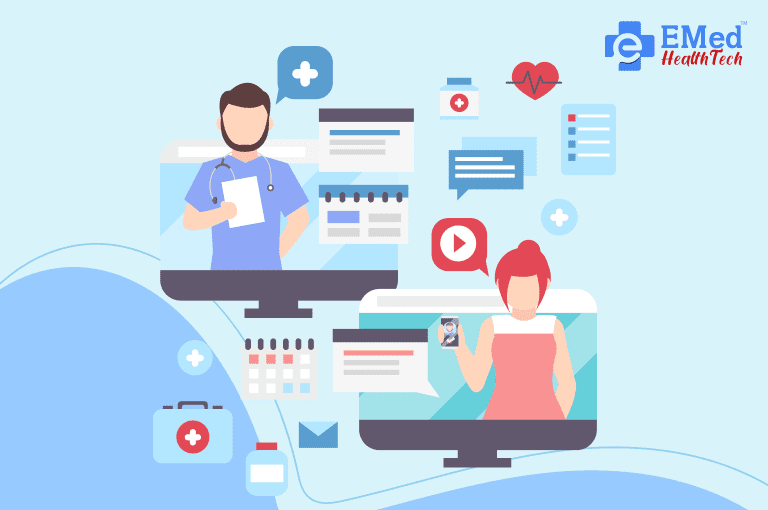
Millions of people around the world are affected by chronic infections including diabetes, high blood pressure, and heart disease. Continuous monitoring, practical treatment intercession, and way-of-life changes are vital for overseeing these illnesses. Conventional healthcare systems often struggle to supply persistent care due to components like geological obstructions, time imperatives, and high costs. Usually where telemedicine platforms are demonstrated to be game-changers. Telemedicine platforms not only empower remote patient monitoring but also facilitate virtual consultations while enabling real-time communication between patients and healthcare providers. By leveraging digital health technologies, telemedicine is changing how incessant illnesses are overseen, eventually driving to way better patient results.
Understanding Telemedicine Platforms in Chronic Disease Management
What Is Telemedicine?
Telemedicine refers to any advanced communication innovation that is utilized or implemented to provide restorative healthcare and consultation remotely. Moreover, it incorporates video interviews, remote monitoring of vital signs, digital medicines, and virtual follow-ups.
With advancements in technology, telehealth platforms have evolved to offer comprehensive solutions for chronic disease management. As a result, artificial intelligence (AI) is now enhancing diagnostics, while the integration of electronic health records (EHR) ensures seamless data access. Additionally, the adoption of wearable health gadgets further improves patient monitoring. Ultimately, telemedicine platforms bring these innovations together to deliver an excellent patient experience.
Key Benefits of Telemedicine Platforms for Chronic Disease Management
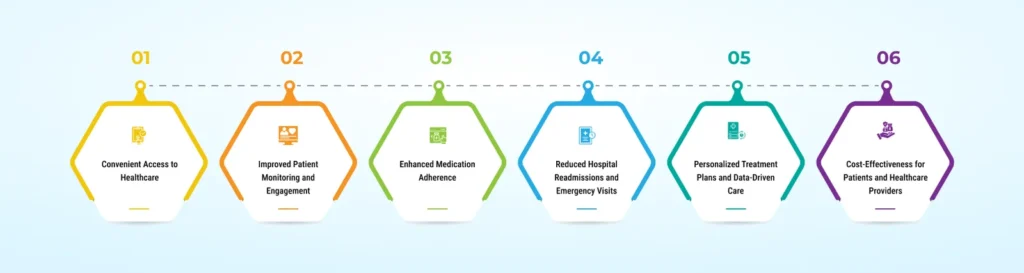
1. Convenient Access to Healthcare: One of the biggest advantages of a telemed platform is its ability to provide accessible healthcare from the comfort of a patient’s home. As a result, patients with mobility issues or those living in remote areas no longer need to travel long distances for scheduled check-ups. As a result, virtual consultations ensure timely intervention and, consequently, reduce the risk of disease complications.
2. Improved Patient Monitoring and Engagement: Remote patient monitoring (RPM) has revolutionized chronic infection care. Platforms for telemedicine permit healthcare suppliers to track real-time persistent information, such as blood sugar levels, blood weight, and oxygen immersion. This ceaseless observation helps doctors distinguish early warning signs and make data-driven treatment choices.
3. Enhanced Medication Adherence: When it comes to chronic disease patients, one of the most common issues is non-adherence to prescribed medications. Telemedicine platforms address this problem through:
• Automated medication reminders
• Virtual pharmacist consultations
• E-prescriptions with home delivery options
These features ensure that patients follow their treatment regimens effectively, leading to better disease control.
4. Reduced Hospital Readmissions and Emergency Visits: Frequent hospital visits are not only exorbitant but also upsetting for chronic illness patients. However, with telemedicine, standard follow-ups and early detection of complications help prevent unnecessary hospitalizations. As a result, patients receive convenient advice and treatment adjustments, ultimately reducing their reliance on emergency care.
5. Personalized Treatment Plans and Data-Driven Care: Each chronic disease patient has special healthcare needs. As a result, telemed platforms use AI-driven analytics to customize treatment plans based on patient history, side effects, and lifestyle variables. Consequently, this personalized approach enhances treatment effectiveness and ultimately promotes long-term health improvements.
6. Cost-Effectiveness for Patients and Healthcare Providers: Telemedicine essentially decreases healthcare costs by eliminating travel costs, decreasing clinic admissions, and optimizing therapeutic assets. Healthcare suppliers can oversee a bigger number of patients effectively, improving overall service delivery.
Future of Telehealth in Chronic Disease Management
The future of chronic disease management lies in AI-driven telemedicine solutions. Emerging trends include:
• AI-powered predictive analytics for early disease detection
• 5G-enabled real-time remote monitoring for enhanced connectivity
• Blockchain technology for secure patient data management
As innovation continues to advance, platforms for telehealth will become indeed more viable in conveying proactive, patient-centric care.
Conclusion
Telemedicine is transforming chronic disease management by making healthcare more accessible, efficient, and cost-effective. As a result, telemedicine platforms enable patients to receive timely medical attention, benefit from enhanced monitoring, and follow personalized treatment plans. Consequently, these improvements lead to better health outcomes.
If you are a healthcare provider looking for a reliable platform for telemedicine, then EMed HealthTech is the perfect choice. Not only do we offer cutting-edge telehealth solutions, but we also tailor them specifically for chronic disease care. Therefore, contact us today to explore our advanced telemedicine platforms and enhance patient care.